


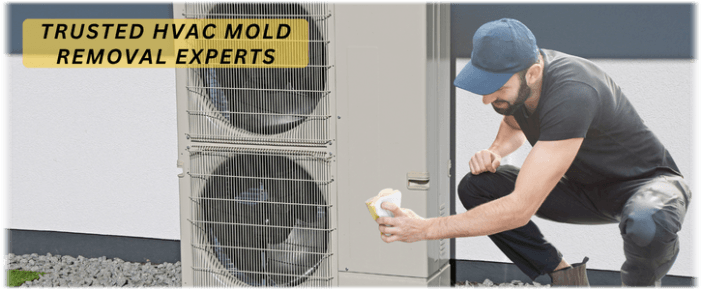
When HVAC Mold Removal in Chicago, IL homeowners need clear answers and careful service. Moisture, dust, and changing temperatures can create conditions where mold develops around HVAC components. Because your system moves air throughout the home, visible or suspected growth deserves prompt attention. Our team helps homeowners identify affected areas, remove contamination, and reduce conditions that may encourage it to return.
HVAC Mold Removal in Chicago, IL for Residential Systems
Chicago weather places constant demands on heating and cooling equipment. Winters bring long periods of indoor heating, while humid summers increase air conditioning use. As a result, condensation can develop around coils, drain pans, vents, and other system areas.
Our Chicago HVAC mold service focuses on the areas that need attention. First, we evaluate accessible components and look for visible growth or moisture concerns. Then, we explain what we find before recommending the next step.
We never assume every dark spot means mold. Instead, we inspect the situation carefully and help you understand your options. This approach gives homeowners more confidence before work begins.
Common Signs of Mold Around Your HVAC System
Mold problems can appear differently from one home to another. However, certain warning signs deserve attention.
You may notice musty odors when the furnace or air conditioner starts. Visible spotting near registers can also raise concerns. Additionally, recurring moisture around HVAC components may indicate a condition that supports microbial growth.
Homes near Lake Michigan can experience periods of elevated humidity. Meanwhile, older properties in neighborhoods such as Lakeview, Lincoln Park, Logan Square, and Hyde Park may have aging ventilation systems. Therefore, regular attention to moisture and airflow can become especially important.
How Our HVAC Mold Removal Process Works
We start by examining accessible areas connected to the concern. Depending on the system, that may include coils, drain areas, registers, and nearby duct surfaces.
Next, we isolate affected areas when appropriate and remove visible contamination using suitable methods. We also clean surrounding surfaces that contribute to the problem. Most importantly, we look for moisture conditions that may allow mold to return.
Sometimes additional work may help improve the system. For example, air duct cleaning may address heavy dust and debris elsewhere in the ventilation network. A ductwork inspection can also reveal damaged or poorly connected sections.
Other homeowners may benefit from HVAC cleaning, air duct mold removal, or dryer vent cleaning depending on their specific concerns. We also provide broader air duct services when the system needs additional attention.
Why Moisture Control Matters After Mold Removal
Removing visible growth addresses only part of the problem. Therefore, controlling excess moisture remains important after service.
Clogged drain lines, condensation, high indoor humidity, and restricted airflow can all create damp conditions. Because of that, we discuss any obvious moisture concerns we find during the visit.
Homeowners can also support a healthier system by changing filters regularly and keeping supply registers unobstructed. In addition, proper air conditioning maintenance can help manage summer humidity.
A Local Approach Built Around Clear Communication
We know mold concerns can make homeowners uneasy. That is why we keep the process straightforward and avoid unnecessary pressure.
Our team explains the affected areas, the recommended work, and what you can do afterward. We also respect your home and work carefully around furnishings and living spaces.
Whether you live near Portage Park, Wicker Park, West Loop, or another Chicago neighborhood, we tailor the service to your property. Older bungalows, condos, and multi-story homes can all have different ventilation layouts.
Frequently Asked Questions
What causes mold to develop around HVAC equipment?
Excess moisture often creates the right conditions. Condensation, clogged drains, humidity, and limited airflow can all contribute to mold growth.
Can mold come back after removal?
Yes, mold can return if moisture problems continue. Therefore, correcting leaks, condensation, or humidity issues plays an important role after removal.
Do you provide HVAC mold help throughout Chicago?
Yes. We help homeowners across the city with HVAC Mold Removal in Chicago, IL, including service for many residential HVAC system types.
Schedule Service Before the Problem Spreads
If you notice musty odors, visible growth, or persistent moisture, early action can help prevent a larger problem. Call (872) 240-5625 today to discuss your system and schedule service. Get clear recommendations, careful workmanship, and responsive local help when you need HVAC Mold Removal in Chicago, IL.